http://www.theguardian.com/vital-signs/2014/oct/03/ebola-epidemic-bats-deforestation-west-africa-guinea-sierra-leone-Liberia
Did deforestation help spread Ebola?
Showing posts with label A2 UNIT 3 CONTESTED PLANET. Show all posts
Showing posts with label A2 UNIT 3 CONTESTED PLANET. Show all posts
Sunday, 5 October 2014


Wednesday, 1 October 2014

World's first carbon capture storage plant is switched on....
http://www.theguardian.com/environment/2014/oct/01/canada-switches-on-worlds-first-carbon-capture-power-plant
Canada has switched on the worlds first Carbon capture storage plant.

Canada has switched on the worlds first Carbon capture storage plant.
1 million to save the Bengal tiger!
http://www.theguardian.com/environment/2014/oct/01/david-attenborough-1m-bengal-tiger-india-project

1million plan to protect the Bengal tiger, aim is to relocate a village to create the largest group of the tigers in the wild.
1million plan to protect the Bengal tiger, aim is to relocate a village to create the largest group of the tigers in the wild.


Climate change is already here!!!
http://www.theguardian.com/environment/2014/sep/28/climate-change-has-arrived-global-warming-icecaps-deserts
climate change is all ready happening-

climate change is all ready happening-
India- a possible energy superpower?
http://www.theguardian.com/environment/2014/oct/01/india-will-be-renewables-superpower-says-energy-minister

India's new premier- Modi- aims to speed up India's development of solar power.
India's new premier- Modi- aims to speed up India's development of solar power.
Sunday, 25 May 2014


Wednesday, 14 May 2014
Current SuperPower issues
http://www.theguardian.com/commentisfree/2014/may/06/superpower-capitalist-world-order-Ukraine

Interesting article on the current situation re Superpowers!!
Interesting article on the current situation re Superpowers!!
Tuesday, 26 November 2013
Cameron, and the Princes to host summit to halt ivory trade...
http://www.theguardian.com/environment/2013/nov/26/david-cameron-illegal-trade-global-summit

David Cameron has invited 50 countries to attend a summit on combating the illegal ivory trade.
David Cameron has invited 50 countries to attend a summit on combating the illegal ivory trade.
The IUCN red list 2013...some of the world's most endangered animals...
http://www.theguardian.com/environment/2013/nov/26/iucn-red-list-endangered-species-extinction

The national symbol of Congo DR, the 'blue tongued giraffe' or 'okapi' is under threat from the on going civil war in Congo DR.
This years' global wildlife assessment has highlighted 1,000 new species are under severe threat.
The shy forest giraffe is confined to the fast-disappearing and militia-filled forests of DRC, and its population is plummeting as its meat is prized. "It is revered in Congo as a national symbol but, sadly, DRC has been caught up in civil conflict and ravaged by poverty for nearly two decades," said Noëlle Kümpel, co-chair of the IUCN Giraffe and Okapi specialist group.
The animal, which has a prehensile blue tongue and zebra-like stripes on its behind, is extremely difficult to protect in an area rife with elephant poachers and illegal mining. In a notorious incident in 2012, armed rebels attacked the headquarters of the DRC's Okapi Wildlife Reserve and killed seven people and all 14 captive animals.
Other species whose prospects are plunging include the white-winged flufftail, a secretive African wetlands bird threatened by agriculture. "People treat wetlands as wasteland that needs to be drained," said Craig Hilton-Taylor, manager of the IUCN's red list unit in Cambridge.
However some species have come off the list- including the Atlantic Leatherback turtle and a the Island fox of California.
The national symbol of Congo DR, the 'blue tongued giraffe' or 'okapi' is under threat from the on going civil war in Congo DR.
This years' global wildlife assessment has highlighted 1,000 new species are under severe threat.
The shy forest giraffe is confined to the fast-disappearing and militia-filled forests of DRC, and its population is plummeting as its meat is prized. "It is revered in Congo as a national symbol but, sadly, DRC has been caught up in civil conflict and ravaged by poverty for nearly two decades," said Noëlle Kümpel, co-chair of the IUCN Giraffe and Okapi specialist group.
The animal, which has a prehensile blue tongue and zebra-like stripes on its behind, is extremely difficult to protect in an area rife with elephant poachers and illegal mining. In a notorious incident in 2012, armed rebels attacked the headquarters of the DRC's Okapi Wildlife Reserve and killed seven people and all 14 captive animals.
Other species whose prospects are plunging include the white-winged flufftail, a secretive African wetlands bird threatened by agriculture. "People treat wetlands as wasteland that needs to be drained," said Craig Hilton-Taylor, manager of the IUCN's red list unit in Cambridge.
However some species have come off the list- including the Atlantic Leatherback turtle and a the Island fox of California.
Thursday, 21 November 2013
Polar bear under threat from the Canadian government????
http://www.theguardian.com/environment/2013/nov/21/canada-refusal-protect-polar-bears-endangered-America

A USGS study in 2007 that predicted that a number of Polar bear groups inside Canada would be at best, severely decimated or at worst, completely disappear. Partly in response the USA designated Polar bears an endangered species, but Canada took the Polar bear off the species of special concern list in 2011.
A USGS study in 2007 that predicted that a number of Polar bear groups inside Canada would be at best, severely decimated or at worst, completely disappear. Partly in response the USA designated Polar bears an endangered species, but Canada took the Polar bear off the species of special concern list in 2011.
New management for the seas of the UK....
http://www.bbc.co.uk/news/science-environment-25032255

It will protect from trawling and dredging.
27 new designated areas to protect coral, oyster beds and seahorses.
9% of UK waters should now be better protected, but some say move does not go far enough as some argued for 127 zones to be created.
Some sites not protected as too costly or there was not enough evidence to suggest protection was needed
It will protect from trawling and dredging.
27 new designated areas to protect coral, oyster beds and seahorses.
9% of UK waters should now be better protected, but some say move does not go far enough as some argued for 127 zones to be created.
Some sites not protected as too costly or there was not enough evidence to suggest protection was needed
Wednesday, 20 November 2013
Year 13 videos for threats essay....
http://www.theguardian.com/environment/video/2013/nov/05/polar-bears-fight-for-survival-sea-ice-melts-video
Climate change threatens Polar bears as it is delaying the freeze, keeping them from their pray
http://www.theguardian.com/environment/video/2013/aug/01/congo-virunga-national-park
Mountain gorillas could be under threat from oil exploration
Climate change threatens Polar bears as it is delaying the freeze, keeping them from their pray
http://www.theguardian.com/environment/video/2013/aug/01/congo-virunga-national-park
Mountain gorillas could be under threat from oil exploration
Preserving the American Prairies
http://www.theguardian.com/environment/2013/oct/25/dakota-conservation-prairie-wetlands-farming

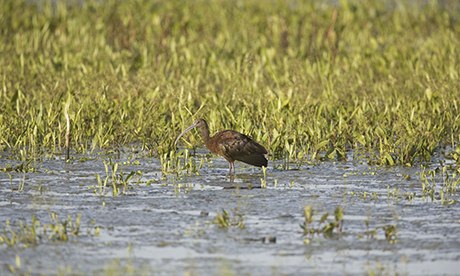
These ecosystems are under threat from oil drilling, but also increasingly from farming expansion, 1/2m hectares of prairie lost between 2005 and 2011.
Prices for soya and other crops have increased rapidly over recent years, meaning landowners are developing more land and quicker, previously farmers were paid not to develop land for 15 years, however the fee is now insufficient.
The plan is to maintain prairies by mimicking natural patterns, like moving cattle like natural buffalo would and ensuring fields are not ploughed so the natural wildlife is not affected.
Subscribe to:
Posts (Atom)